

How to Buy a Gun?
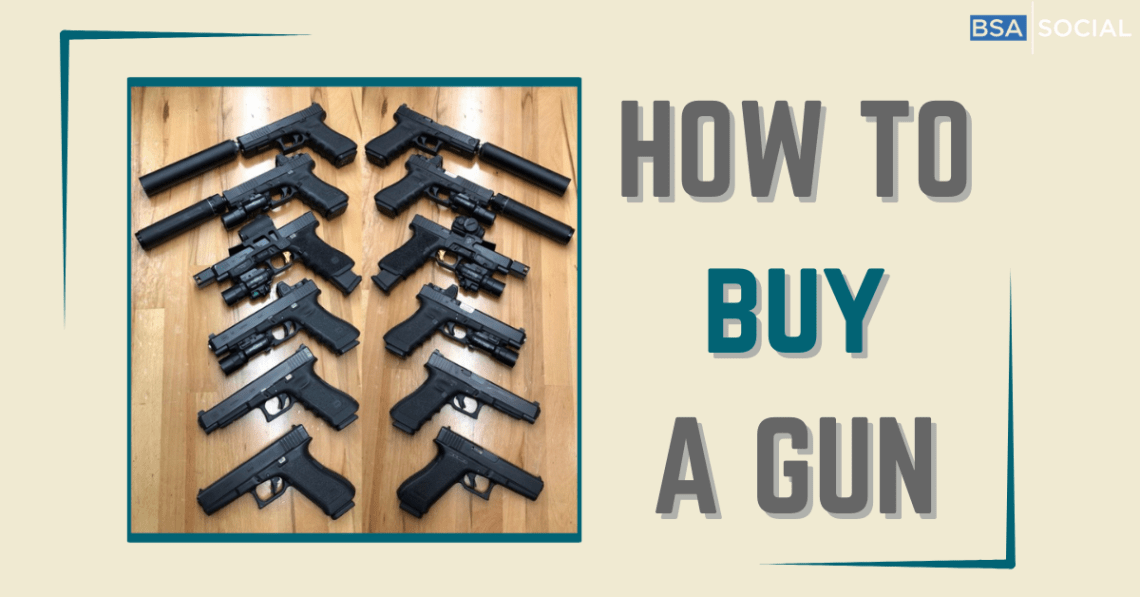
It has been easier than before to buy a gun in the US. There are multiple stores that sell guns in America, from big chains like Walmart to family-run shops like Ken’s Sporting Goods & Liquor Store. Many Americans can buy a gun in less than an hour. In some countries, the process takes months. However, buying a firearm is a significant responsibility that requires careful consideration, knowledge of country laws, and clarity about your purpose.
Whether you want to acquire a gun for self-defense, hunting, sport shooting, or collection, this blog will take you through every step of the procedure.
Understanding Gun Ownership Laws
Research Local Gun Laws:
In America, gun laws vary according to state. You need to research gun laws in your state before indulging in buying the weapon.
Permit Requirements:
Few states mandate the permit for owning a gun or carrying a concealed weapon.
Age Restrictions:
Most states require buyers to be at least 18 for rifles and shotguns and 21 for handguns.
For example, in Florida, residents do not have to have a permit to buy handguns, rifles, or shotguns. Additionally, there is no requirement to register a firearm, nor is there a requirement for owners to get a license or have a permit to carry a rifle or shotgun. Florida residents under 18 are not permitted to buy or possess a firearm unless permitted by a parent or guardian. With parent or guardian permission, a minor may posses a firearm, including air and BB guns.
Background Checks:
In the U.S., federal law requires licensed dealers to conduct background checks through the National Instant Criminal Background Check System (NICS). A background check is conducted only for store purchases. There, gun buyers have to fill out a form from the ATF or the Federal Bureau of Alcohol, Tobacco, Firearms and Explosives.
Required information includes name, address, place of birth, race, and citizenship.
The form asks questions such as:
- Have you ever been convicted of a felony?
- Have you ever been convicted of a misdemeanor crime of domestic violence?
- Are you an unlawful user of, or addicted to, marijuana or any other depressant, stimulant, narcotic drug, or any other controlled substance?
- Are you a fugitive from justice?
- Have you ever been committed to a mental institution?
The store then calls the FBI, which runs a background check on the person through the National Instant Criminal Background Check System, also known as NICS.
Determining Your Needs
Before buying the weapon, you need to determine your actual needs before making the purchase.
- Protection: You may need to use force to protect yourself or your family from danger when police are just minutes away, but every second counts.
- Exercise your rights: At the end of the day, it’s your Second Amendment right to own and carry a firearm – an idea established long before today.
- Hunting: You can opt for a weapon for hunting purposes if it’s legal in your state.
- Hobby: Sometimes guns are just good fun to shoot at the range, leading you to meet all sorts of interesting and friendly gun enthusiasts.
- Competitive sport: Many people love to satisfy their competitive edge by entering competitions and challenging other gun owners for fun prizes and trophies.
Choosing the Right Type of Firearm
Each firearm type serves different purposes:
- Handguns: Compact and versatile, great for self-defense and concealed carry.
- Rifles: High accuracy and range, ideal for hunting and sport shooting.
- Shotguns: Powerful and effective for hunting and home defense.
Pro Tip: Visit shooting ranges offering rental firearms to test different models before purchasing.
Budget Considerations
When purchasing a firearm, considering different price ranges for different guns that align with your needs is essential. Handguns, commonly used for self-defense, typically range from $300 to $1,000 depending on brand and features. Rifles, favored for hunting and sport shooting, can cost between $400 and $2,500, while shotguns generally fall between $300 and $1,500. Higher-end models with advanced features or specialized purposes may exceed these ranges. Knowing what you’re looking for will help narrow your options and find a firearm that suits your purpose without exceeding your expectations.
Researching Firearms
- Comparing Brands and Models: It’s important to consider brand reputation and model specifications when considering buying a gun. Some reputable brands like Glock, Sig Sauer, Smith & Wesson, Ruger, and Remington are known for their reliability, safety features, and innovative designs.
- Ergonomics: Ergonomics in guns refers to the design of a gun to improve its comfort, efficiency, and handling. The aim is to make guns more comfortable to shoot before, during, and after fighting. Ergonomics basically refers to how well the weapon stays in your hands when used or how comfortable it is to use it repeatedly.
- Features: Modern weapons come with customizable options such as rails for mounting optics, adjustable sights, or ambidextrous controls. Determine which of the features best suits your needs and which are must-haves.
- Reading Expert and User Reviews: Reading expert reviews and advice can improve the chances of making an informed decision. There are multiple platforms online that provide honest reviews of guns after owning them for a significant portion of the time. Expert reviews from trusted sources like firearm magazines, blogs, and YouTube channels provide technical insights, performance evaluations, and comparisons between models. These reviews highlight key features, reliability, ergonomics, and potential drawbacks. Combining expert analysis with user experiences gives you a well-rounded perspective, helping you select a firearm that aligns with your needs and expectations.
Visiting a Gun Store

What to Expect in a Gun Store?
- Layout: Firearms are typically organized by their type(handguns, rifles, and shotguns) and accessories like holsters, optics, and cleaning kits, with staff available for your queries.
- Assistance: Knowledgeable staff can guide you through the selection process, provide information on specific models, and help you clarify any legal requirements.
Handling Firearms (Safety Protocols)
- Always ask for permission before handling a gun.
- Adhere to universal gun safety rules by avoiding pointing a firearm at anyone, even if unloaded.
Making the Purchase
Purchasing a firearm involves adhering to legal and procedural steps to ensure a smooth and compliant transaction. Begin by presenting valid identification and any required permits, then complete Form 4473 to initiate the federally mandated background check. Depending on local laws, you may encounter waiting periods or additional fees for processing. Once approved, finalize payment through your chosen method, such as cash or layaway, and retain receipts and warranty details for future reference. Keep informed about evolving gun laws to ensure long-term ownership aligns with legal and ethical standards.
Safety and Storage
Safe firearm storage is essential for reducing the danger of unintentional death, injury, or damage. It is your responsibility to know how to properly store your firearms at home. Your firearms should be easily available to you but inaccessible or inoperable to others. This safeguards your firearms from misuse, theft, or loss, ensuring safety for you and those around you. Understand and follow all federal, state, and local regulations governing the acquisition, possession, carrying, use, storage, and disposition/sale of guns.
Consider the following points when storing the firearm:
- Unload each firearm before storing it.
- Store unloaded firearms in a locked cabinet, safe, gun vault, or storage case.
- Keep ammunition locked in a secure location away from the firearm.
- When taking firearms out of storage, make sure they are still unloaded by carefully inspecting them again.

Conclusion
Purchasing a firearm is a big decision that needs responsibility, knowledge, and preparation. It is critical to grasp the legal requirements, select the appropriate firearm, and perfect safe handling and storage strategies. Each of these steps is essential for becoming a knowledgeable and responsible gun owner.
Following these steps – researching, testing, and making informed decisions – can not only help you discover a firearm that fulfills your requirements but will also give you the confidence to use it safely and responsibly. Remember, owning a gun is more than just a purchase; it is a commitment to personal safety, ongoing education, and respecting the laws and ethics of firearm ownership.